Chickpeas Market Size & Share | Industry Growth - 2034
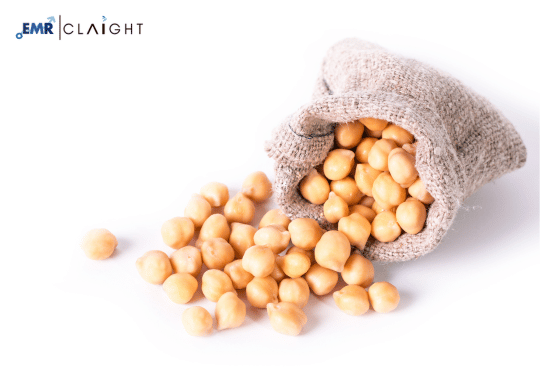
According to the report by Expert Market Research (EMR), the global chickpeas market reached a volume of more than 14.08 million tons in 2024. Aided by the growing shift towards plant-based diets and the increasing consumption of pulses in both developed and developing economies, the market is expected to grow at a CAGR of 1.30% during the forecast period of 2025 to 2034, reaching approximately 16.02 million tons by 2034.
Chickpeas, also known as garbanzo beans, are among the most widely cultivated legumes globally. They serve as a staple in various traditional cuisines, especially in regions such as South Asia, the Middle East, and the Mediterranean. Due to their nutritional profile, which includes high levels of protein, dietary fibre, vitamins, and minerals, chickpeas are increasingly being used in food products catering to health-conscious and vegetarian consumers. The emergence of chickpeas as a key ingredient in plant-based food alternatives, such as vegan snacks, meat substitutes, and dairy alternatives, is further enhancing their global demand.
The rising awareness regarding the environmental and health benefits of legumes has played a significant role in influencing consumer preferences. Governments and health organizations are also encouraging the inclusion of pulses, including chickpeas, in regular diets due to their low glycaemic index and cholesterol-lowering properties, which is expected to support the global chickpeas market growth in the years to come.
Market Size
The global chickpeas market, with a volume of over 14.08 million tons in 2024, reflects its wide-scale cultivation and consumption. Chickpeas have long been a vital component of traditional agricultural systems, especially in arid and semi-arid regions due to their drought resistance and nitrogen-fixing properties, which enhance soil fertility.
In addition to direct human consumption, chickpeas are being increasingly used as raw materials in the production of chickpea flour, snacks, hummus, and ready-to-eat meals. The growing demand for convenient and nutritious food products has driven food manufacturers to incorporate chickpeas into innovative formulations. This trend is especially prominent in developed economies, where plant-based and functional food trends are shaping food industry investments.
As consumer interest in clean-label and organic food products continues to rise, organically grown chickpeas are also gaining traction. The introduction of various chickpea-based products across mainstream retail channels, including health food stores and supermarkets, is expected to support the expansion of the chickpeas market size over the forecast period.
Download a Complimentary Sample Report
Market Share
In terms of market segmentation, the Kabuli and Desi varieties are the two main types of chickpeas cultivated and traded globally. The Desi variety holds a larger market share due to its widespread cultivation in countries such as India, Pakistan, and Ethiopia. This variety is smaller, darker, and typically used in flour production or traditional dishes.
The Kabuli variety, known for its larger size and lighter colour, is primarily consumed whole and is more prevalent in international markets, especially in North America and Europe. Kabuli chickpeas are widely used in salads, snacks, and hummus preparation, contributing significantly to export revenues for major producing countries.
Regionally, the Asia Pacific region dominates the global chickpeas market, both in terms of production and consumption. India, in particular, is the largest producer and consumer of chickpeas, with domestic demand strongly rooted in cultural and dietary practices. The Middle East and Africa also represent significant markets due to the central role chickpeas play in regional cuisines.
North America and Europe are emerging as key importers, driven by the increasing popularity of plant-based foods and Middle Eastern cuisine. These regions are witnessing rising consumer interest in health foods, which is translating into greater shelf space for chickpea products across supermarkets and foodservice channels.
Market Trends
Several trends are currently shaping the global chickpeas market. One of the most significant is the surge in demand for plant-based protein sources. With a growing number of consumers turning toward vegetarian and vegan lifestyles, chickpeas are being recognised as a versatile and sustainable protein alternative.
Another notable trend is the innovation in chickpea-based food products. Companies are now offering a wide range of processed chickpea items such as pasta, protein bars, chips, flour, and plant-based milk. These products appeal to consumers looking for gluten-free, allergen-friendly, and protein-rich food choices.
Sustainability is also becoming a major factor influencing market dynamics. Chickpeas are environmentally beneficial crops due to their low water requirements and ability to enhance soil health. This makes them attractive to both farmers and eco-conscious consumers. As sustainability becomes a key criterion in food purchasing decisions, chickpeas are well-positioned to benefit from this shift.
Moreover, digitalisation in agriculture and supply chain management is enabling producers to monitor chickpea crop health, optimize yields, and improve traceability, all of which are important to meet the quality standards of international markets.
Drivers of Growth
The global chickpeas market is being driven by a combination of nutritional, economic, and environmental factors. Firstly, the high protein and fibre content of chickpeas makes them an essential food for both vegetarian and non-vegetarian diets. As consumers become more health-conscious, chickpeas are increasingly viewed as a beneficial alternative to animal-based proteins.
The rising incidence of lifestyle-related diseases such as obesity, diabetes, and cardiovascular disorders has prompted a shift towards legumes, including chickpeas, due to their role in supporting heart health, improving digestion, and managing weight.
Economically, chickpeas are a cost-effective protein source, particularly in low- and middle-income countries where access to animal proteins may be limited. Government initiatives and international programs aimed at improving food security are also promoting chickpea cultivation and consumption.
Furthermore, chickpeas' versatility across culinary applications makes them suitable for traditional dishes, modern fusion cuisine, and packaged food products alike. This broad appeal contributes to a resilient and diverse demand base that continues to fuel market growth globally.
Market Key Players
The global chickpeas market is moderately consolidated, with a mix of international exporters, regional processors, and agricultural cooperatives. Key players in the market include:
AGT Food and Ingredients
BroadGrain Commodities, Inc.
The Wimmera Grain Store
Others
These companies are actively involved in sourcing, processing, packaging, and distributing chickpeas to both domestic and international markets. Strategies such as establishing long-term supply contracts, improving seed quality, and investing in sustainable farming practices are helping these players to maintain competitiveness. Many are also focusing on organic and non-GMO certifications to cater to premium market segments.
Challenges and Opportunities
Despite its strong growth prospects, the global chickpeas market faces several challenges. One of the primary issues is price volatility caused by factors such as climate change, fluctuating demand, and geopolitical tensions affecting trade routes. Adverse weather conditions, including drought and unseasonal rainfall, can disrupt chickpea yields, affecting both availability and pricing.
The relatively long crop cycle of chickpeas compared to other pulses can also be a deterrent for farmers, particularly in regions with water scarcity or limited agricultural infrastructure. In addition, post-harvest losses due to inadequate storage and transport facilities continue to pose a barrier to efficient market operations in some developing countries.
However, these challenges also open the door to new opportunities. Increasing investments in climate-resilient chickpea varieties and mechanised farming techniques can enhance productivity. Expanding value-added product lines, such as roasted chickpeas and chickpea-based snacks, can help manufacturers reach health-focused consumers.
Moreover, the growing popularity of plant-based diets in Western markets presents a lucrative export opportunity for chickpea-producing countries. By focusing on traceability, quality assurance, and sustainable certifications, producers can strengthen their position in global value chains.
Market Forecast
Looking ahead, the global chickpeas market is expected to maintain steady growth over the forecast period. From its current volume of 14.08 million tons in 2024, the market is projected to reach 16.02 million tons by 2034, growing at a CAGR of 1.30%.
This growth will be supported by increasing global demand for plant-based and protein-rich foods, expanded culinary applications, and favourable agronomic and environmental characteristics of chickpeas. As consumer lifestyles evolve and food systems adapt to new challenges, chickpeas are poised to remain a vital component of both traditional and modern diets worldwide.


